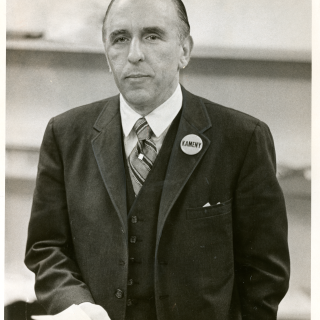
In 1971 Washington’s leading LGBT activist became the first openly gay man to run for Congress. In just a two month campaign, Frank Kameny put gay rights on D.C.'s political agenda- and made them stick.
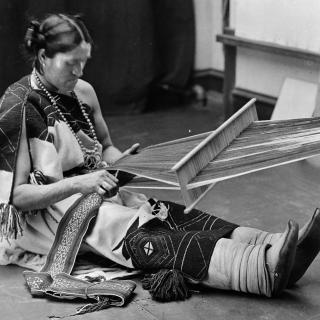
Before 1885, We’wha had never seen a city, and the city of Washington, D.C. had never seen a person quite like We’wha. Alongside being a pottery maker and cultural ambassador, We’wha was a lhamana, who in the Zuni tradition are male-bodied people who also possess female attributes. Existing outside of the Western gender binary, lhamana have always inhabited a special role in Zuni society, as intermediaries between men and women, who perform special cultural and spiritual duties. More recent scholarship coined the term Two Spirit "as a means of unifying various gender identities and expressions of Native American / First Nations / Indigenous individuals."
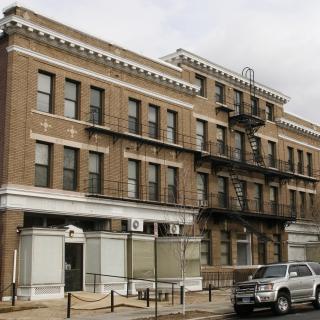
In December of 1986, parents were rushing to the stores to snatch a Cabbage Patch Kid, G.I. Joe or Teddy Ruxpin off the shelf before they were all gone. That same month, the generosity of a local benefactor was a touching reminder of what the holiday season is really about. On Dec. 21, 1986, Robert Alfandre welcomed 30 people infected with AIDS into his home in northwest Washington for a Christmas party.
You might be familiar with the Red Scare, Senator Joseph McCarthy's efforts to remove suspected communists from the U.S. State Department. But what about the Lavender Scare? Starting in the 1940s, government officials began firing thousands of employees based on their sexual orientation. Frank Kameny, a Harvard-educated astronomer was one of them. He lost his job in 1957 and challenged the dismissal all the way to the Supreme Court.
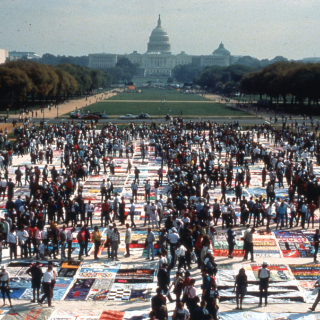
On October 11, 1987, Washingtonians woke up to an elaborate quilt blanketing the National Mall, with 1,920 panels stitching together the memory of thousands of individuals who had succumbed to the AIDS epidemic in America. The AIDS Memorial Quilt helped push the disease into mainstream America's consciousness. But for Washington's gay community, the battle against AIDS had been raging for almost a decade.
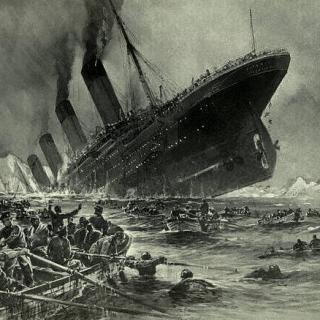
The Butt-Millet Memorial Fountain honors Major Archibald Butt and artist Francis Millet, two men who died together on the ship of dreams. Close friends and housemates in Washington, D.C., these men would be mourned by most of Washington, including President William Howard Taft.
When organizers from the National Gay Mobilizing Committee approached him in 1973 about a gay rights march in Washington, Larry Maccubbin was skeptical. A poor turnout, he feared, could undermine the hard work that he and other local activists had done to advance LGBT rights in the nation’s capital.
“We do not want to receive any setbacks at this time due to a poorly conceived, hastily planned, and shabbily supported demonstration,” he replied.


![Sketch of the mythical fuan by Pearson Scott Foresman. [Source: Wikipedia]](/sites/default/files/styles/crop_320x320/public/2023-10/Goatman_Wikipedia_Faun_2_%28PSF%29.png?h=64a074ff&itok=C9Qh-PE1)