“I have served my Country long & faithful”: George Farragut, Spanish-American Revolutionary
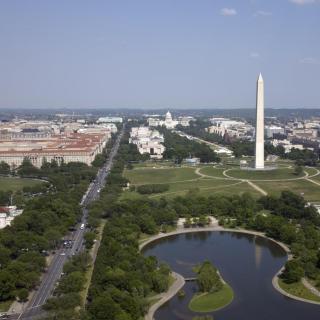
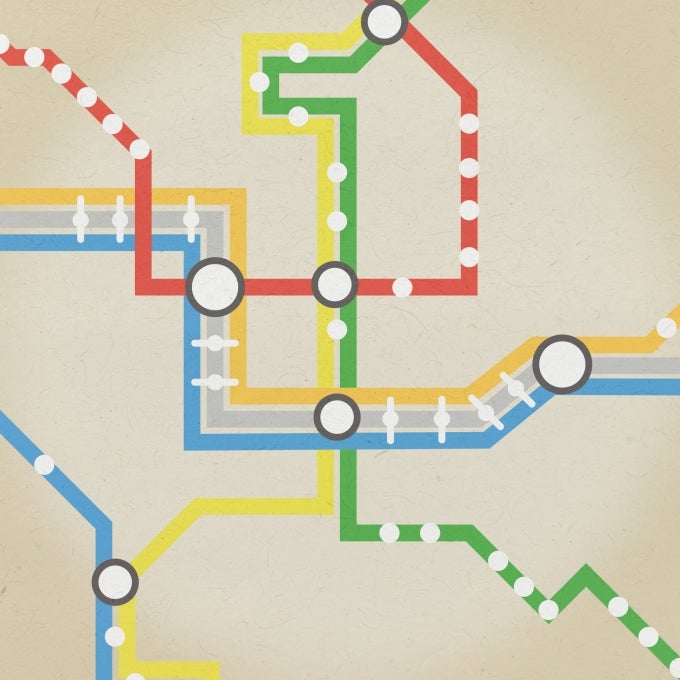
To a D.C. local, the name Farragut brings to mind the twin pair of metro stations north of the White House. Bustling with government employees and commuters at rush hour, Farragut North serves the Red line and Farragut West the Blue-Silver-Orange trains.
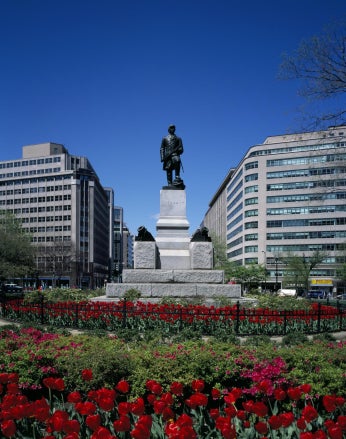
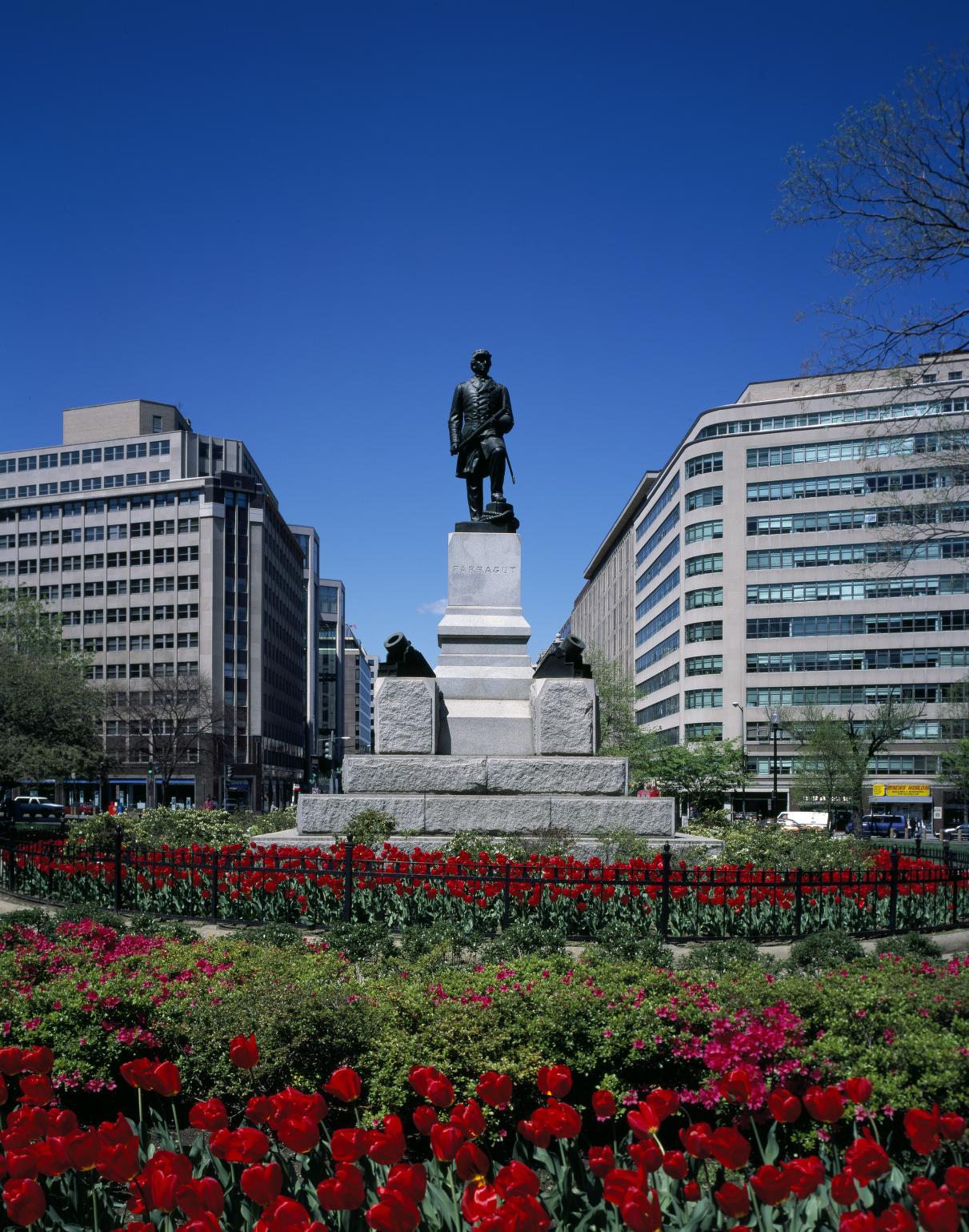
The eponymous square under which the stations lie is named for David Farragut, the nation’s first admiral of the U.S. Navy. But during this Hispanic Heritage Month, we would like to honor David’s father, George Farragut: a Spanish sailor who resolved to “assist with his Life and Fortune” the cause of American patriots during the Revolution. 1
According to the American Battlefield Trust, Farragut was the only known Spanish volunteer to fight under the American flag in the Revolutionary War. 2 Trained as a sailor, he would serve with impressive versatility on land, on sea, and on horseback. He tailed British commanders across the South with guerilla attacks, toted artillery in the Carolina backwoods, and served alongside patriot heroes like Francis Marion. 3 But after all his exploits, Farragut, like many veterans of the Revolution, ended his life penniless, buried in an unmarked grave. He faded into the annals of history, eclipsed by his son’s achievements.
George Farragut was born on September 29, 1755, on the island of Menorca. His baptized name, Jordi Ferragut, reflected the island’s Catalan culture; he Anglicized it upon arriving in America.
Although remembered as Spanish, Farragut was not a Spanish citizen for much of his life: Menorca was traded between British and French (and, for brief periods, Spanish) control from 1708 to 1802. He would have grown up mostly under British rule, and some historians believe his experiences with repressive foreign government at home informed his zeal for the American cause. 4
Menorca’s environment in the 18th century was complex: it had a booming trade economy, and its twin capitals, Ciutadella and Mahón, were cosmopolitan and lively. But most of the population eked out a living as sharecroppers in the service of an elite upper class.
An American account from the early 1800s noted the “extreme poverty”: “You see [the evidence] in the number of mendicants that crowd the street, in the modes to which many of the inhabitants resort to obtain sustenance, in the fare to which they are obliged to submit, and in the low prices affixed to manual labor and domestic services.” 5
Farragut’s family had enough capital to send him to study in Barcelona, where he probably studied maritime subjects, including navigation and sailing. He worked on merchant ships also likely learned some English in the city. 6 Around 1770, he enlisted on a British privateer ship and began his military career at the Battle of Chesme, where he “assisted in the destruction of the Turkish Fleet” as “one of the Crew of the Fire Ship.” 7
According to Farragut’s own account, he left Europe in April 1772. 8 After returning to Spain, he joined the merchant marines and was given command of a trade ship with a route to the Gulf of Mexico and the Caribbean. This route brought him to the American colonies, where he met other Spaniards who had settled throughout the South: they introduced him to their social circles and to increasingly turbulent American politics. 9
When Farragut landed in New Orleans in 1775, he heard of the recent battles at Lexington and Concord, which marked the beginning of the Revolutionary War. Immediately, he filled his ship with goods and sailed to Port-au-Prince, where he exchanged the entire cargo for weapons and ammunition. 10
Writing later of the experience (in the third person), Farragut said “he heard of the difficulties between England and her colonies, and immediately determined to assist with his life and his fortune in the struggle for American Independence.” 11 After all, he had also lived under the repressive thumb of the British Empire.
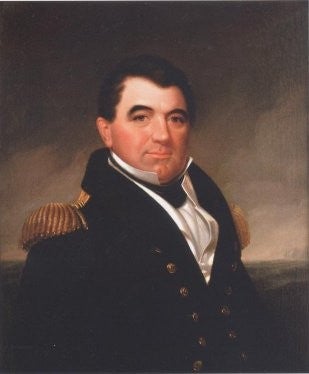
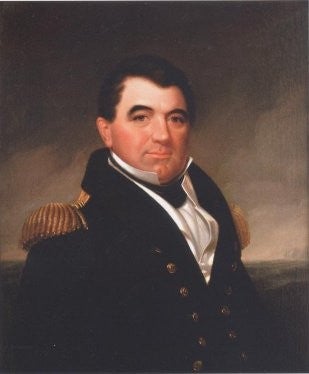
Farragut arrived in Charleston, South Carolina, where his donation of arms was well received: they would help Southern militias prepare for the approaching Battle of Sullivan’s Island. 12 He also volunteered for military service, and was assigned the post of lieutenant on the Vixen, a twelve-gun sloop. He “gave much satisfaction to the captain” by capturing several small ships and was recommended for promotion. 13
As a lieutenant in South Carolina, Farragut had also contributed his maritime expertise to supervise shipbuilding in Charleston: he would later command some of these same ships during the Capture of Savannah in 1778, where he “did not quit the deck of his vessel until it was covered with the dead and the dying.” 14
Farragut returned to South Carolina, where local forces continued their spirited defense of the coast against two major British incursions. But the tides would soon turn against the Patriots. In December of 1799, ninety British ships carrying 8,500 soldiers bore down upon Charleston. 15 Abraham Whipple, commander of the naval forces, decided to scuttle his fleet to barricade the entrance to the harbor.
Having parted with his ship, Farragut found himself on land. Despite having no formal military training, he soon proved himself as capable a soldier as a seaman. As the six-month siege of Charleston began, he “was assigned the command of a battery” and “burnt as much powder, and with as much annoyance to the Enemy, as any other officer in the American army.” 16
Farragut was then appointed to command a ten-gun galley called the Revenge, stationed in nearby Georgetown. But by May, the situation had turned dire. As the British closed in, Farragut sailed his ship far up the Sampit river, making it one of the few vessels to escape capture.
Farragut himself was not so lucky. Major General Benjamin Lincoln formally surrendered more than 5,000 troops to the British on May 12, 1800. 17 Farragut was among the prisoners of war. Almost nothing is known about his time spent in British hands, but he was freed in 1781 through a prisoner exchange thanks to the intervention of an acquaintance, another Spanish merchant. 18
By this time, it would have been quite forgivable for Farragut to have decided that the Revolution had been a nice adventure, but not one he wanted to pursue further. He could have also elected to join the Spanish troops that had joined the war from New Orleans in 1779. Bernardo de Gálvez was leading troops on a successful campaign towards Florida, driving toward territory that had been lost to the British in 1763. Farragut could have been among his countrymen, returning to the cultures and languages among which he grew up.
But Farragut chose to fight among the troops of his adopted country instead. After regaining his freedom, he boarded a southward-bound man-o’-war in Philadelphia. On the trip, the ship was attacked, and in the battle Farragut’s right arm was “badly shattered” by a musket ball. 19 The injury would prevent him from ever commanding a military ship again.
The man-o’-war deposited Farragut in the Carolinas, where he adapted to yet another branch of warfare: the cavalry. Joining up with Major Nathanael Greene’s forces, Farragut served as an officer in a tiny cavalry unit, commanding about 100 men. 20 Now a cavalryman, he participated in the Battle of Cowpens in January 1781.
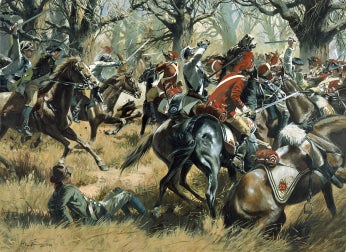
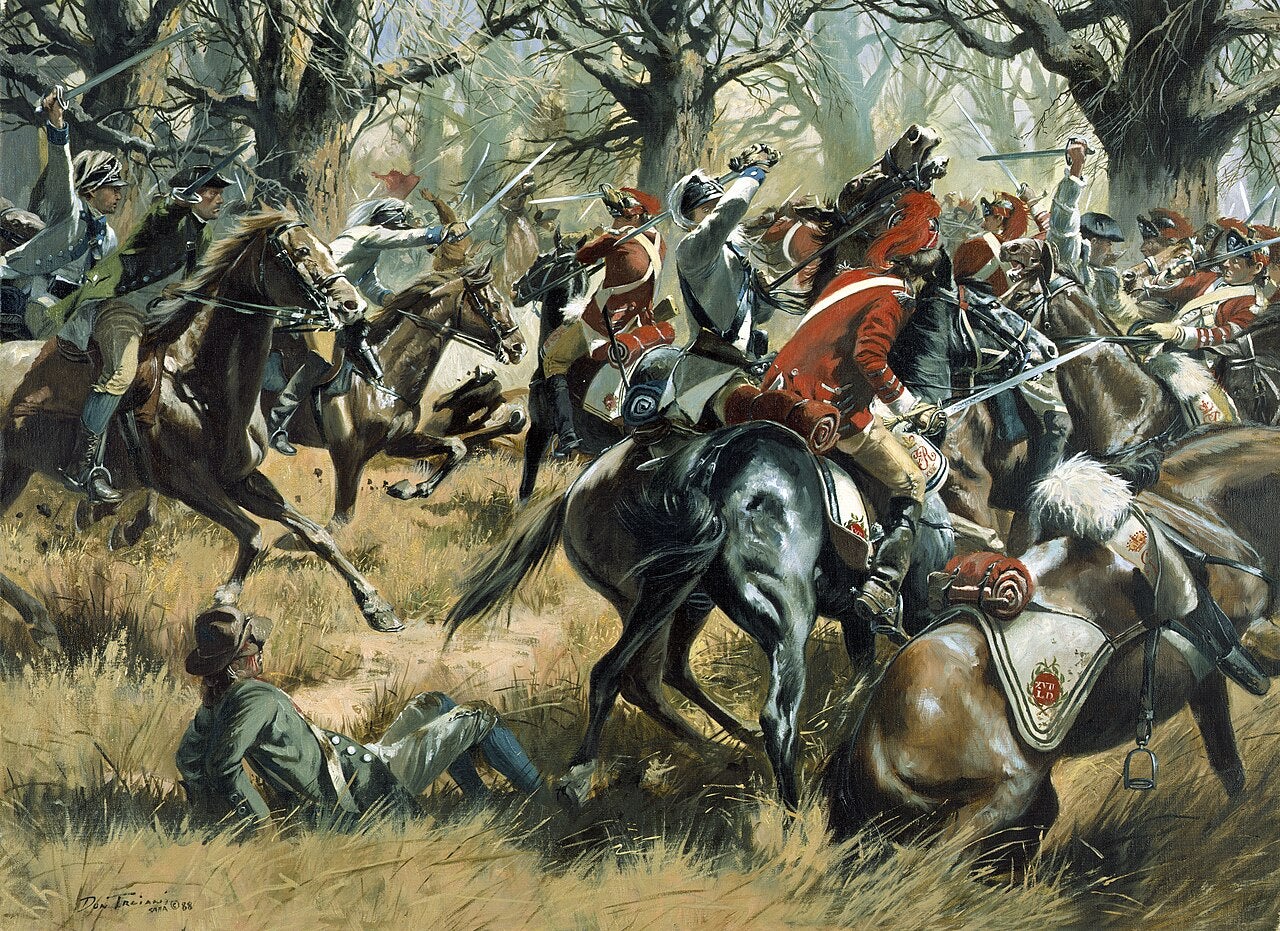
Cowpens presented a turning point in the Southern theater of the Revolution, with the Americans prevailing over the hated Lord Tarleton, who was notorious for “slaughter[ing]” the Third Virginia Continentals after they had surrendered at the Battle of Waxhaws in 1780. 21 Farragut’s cavalry unit surged in after a daring militia volley had scattered the British lines at close range. He later asserted that he saved the life of his commander and engaged in bitter hand-to-hand combat with Tarleton himself, but these claims remain unverified. 22
In recognition of his achievement during the battle, Farragut was promoted to command an artillery detachment, another novel role for which he had no training. This was the only position which he quickly had to give up: but this time it had more to do with the impracticability of hauling heavy cannons with horses and shot through the thick Carolina backwoods.
After Cowpens, Farragut followed Marion to North Carolina, where he “harassed the rear of Cornwallis’ army in his march thro’ Carolina towards virginia, & captured many of the Stragglers.” 23 At Wilmington, he raised a new company of volunteers and was promoted to major. 24
Farragut served in North Carolina until the end of the war—and was likely pleased to hear during that time that a Spanish force had landed on Menorca in February 1782, restoring it to Spanish rule. But as his past and current homes celebrated freedom from British rule, many veterans of the conflict faced a more pressing problem.
“The peace which soon followed” the surrender at Yorktown “left my adopted country free and independent but your Memorialist poor and penniless,” Farragut would later write. 25 What wealth he had enjoyed before 1776 had been poured into supplies for the American army. The nation had no money to pay soldiers’ wages and like many of his comrades, Farragut returned to his previous profession to earn a living.
Many veterans of the Revolution ventured west, and Farragut found himself in the Southwest Territory (now Tennessee), captaining a small ferry boat. Friends described Farragut as brave, reckless, and suited to a pioneer lifestyle: he built a two-story house for himself and his new wife, Elizabeth Shine, “a cool headed, hard-working, and courageous Irish American woman of 30.” 26
A friendship with William Blount, who was appointed to serve as governor of the territory, landed him the job of Muster Master of militias in 1791. Farragut was not forthcoming on his duties during this time, saying only that he “served on an Expedition against the Cherokees in 1793,” in General Sevier’s Etowah Campaign. 27
His fortunes would improve after President Jefferson finalized the Louisiana Purchase in 1803. The U.S. government needed French and Spanish speakers to staff the newly acquired port at New Orleans, and Farragut was appointed sailing master of a gunboat there in 1807. 28
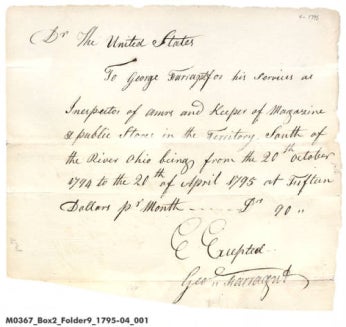
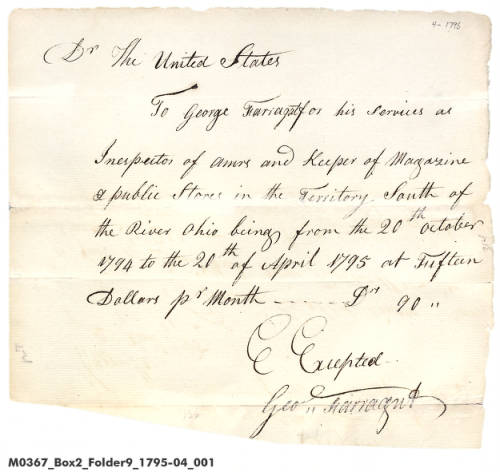
There, Farragut met David Porter Sr., a navy officer who had also served in the Revolution. His son, also named David, was an active-duty Navy officer. When Porter Sr. and Elizabeth died within days of each other in 1808, David Porter expressed sympathy for the family and offered to adopt one of George’s sons and raise him as a Navy officer. At age 11, James Farragut left his family, and would eventually change his name to his adoptive father’s, becoming the now-renowned David Farragut. 29
But as David’s path to fame began, George Farragut was well on the road to ruin. A neighbor wrote a letter to the Secretary of the Navy, William Jones, complaining that Farragut was incapable of performing the duties for which he was being paid. When he investigated, Jones learned that Farragut had been “out of acutal service, tho’ drawing full pay and rations” for some time. 30 As such, he was discharged from the Navy in 1814.
Farragut was crushed, writing a letter to Jones that recounted his service to his nation, listed men who could vouch for his current work, and pleaded to be reinstated. Without pay, he would struggle to support his children: he had not even a horse to farm his property in nearby Pascagoula.
“I ask not this as a favour,” he wrote. “I claim it as a right;--I have served my Country long & faithful;--now that I am getting old & poor, my Country should serve me—one good turn deserves another.” 31
But the Navy was not swayed. Farragut, desperate to return to the sea, volunteered to patrol 50 miles of coastline for General Andrew Jackson, who was expecting an attack from the British as the War of 1812 raged.
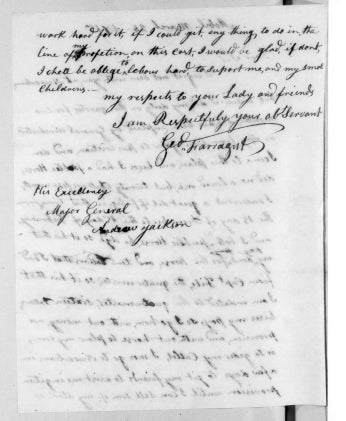
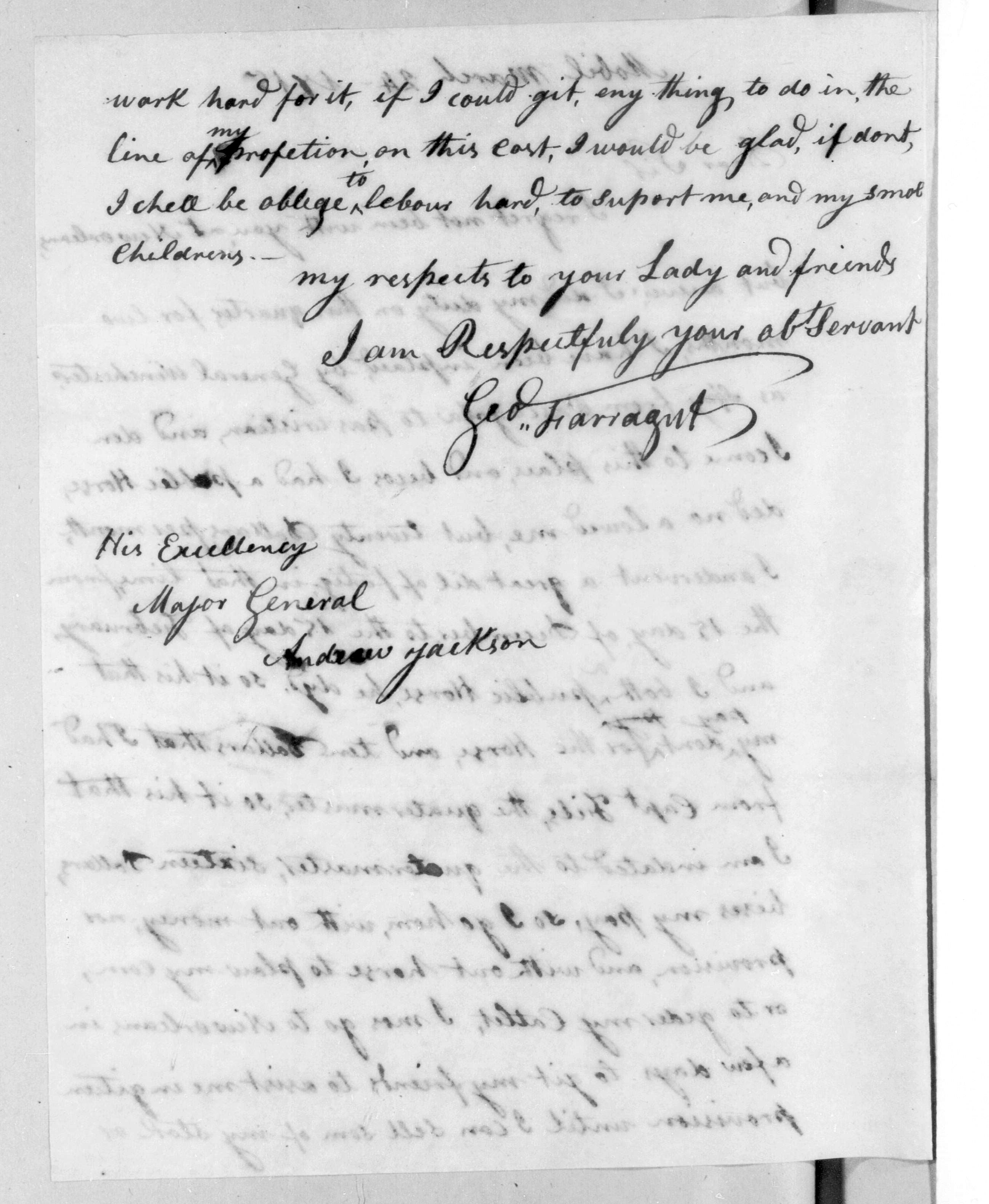
“I regret not being with you at New Orleans,” Farragut would write to Jackson. He also requested, again, to be assigned maritime work at the port. If not, he would “be oblige to lebour hard, to suport me, and my smol childrens” on his farm, which was hardly equipped for the task. 32
Unfortunately, that work did not come. The next years kept him far from the maritime work he loved, and never being fully repaid for his services as a soldier. George Farragut—immigrant, patriot, and versatile soldier—would die in Pascagoula, Mississippi, on June 4, 1817, leaving few traces of his life.
The legacy of David Farragut, namesake of a park and two Metro stations, has greatly outlasted his father’s. But these locations carry a shared surname and a shared heritage. The next time you pass by Farragut Square, remember not just the famed Civil War admiral, but his father, who sacrificed a comfortable mercantile career abroad to give his life to the great American experiment.
Footnotes
- 1
Caleo, Robert. “‘A Most Serious Wound’: The Memorial of George Farragut.” Journal of East Tennessee History, no. 79 (2007).
- 2
Many Spaniards fought in the Revolution, but under their own flag once Spain joined the conflict. See: American Battlefield Trust. “Jorge Farragut.” Accessed September 27, 2026. https://www.battlefields.org/learn/biographies/jorge-farragut.
- 3
Lyons, Reneé Critcher. 2013. Foreign-Born American Patriots : Sixteen Volunteer Leaders in the Revolutionary War. Jefferson: McFarland & Company, Incorporated Publishers. pp. 91-95.
- 4
Caleo, Robert. “‘A Most Serious Wound’: The Memorial of George Farragut.” Journal of East Tennessee History, no. 79 (2007).
- 5
Lyons, Reneé Critcher. 2013. Foreign-Born American Patriots : Sixteen Volunteer Leaders in the Revolutionary War. Jefferson: McFarland & Company, Incorporated Publishers. pp. 91-95.
- 6
Moll, Jaume Sastre. “George Farragut: The Epitome of an American Colonial.” Journal of the American Revolution, June 18, 2019. https://allthingsliberty.com/2019/06/george-farragut-the-epitome-of-an-american-colonial/.
- 7
Caleo, Robert. “‘A Most Serious Wound’: The Memorial of George Farragut.” Journal of East Tennessee History, no. 79 (2007).
- 8
Haywood, Marshall De Lancey. 1903. Major George Farragut / by Marshall Delaney [Sic] Haywood : No.5 in v.1. Vol. 1. no. 5. Gulf States Historical Magazine, 1903?
- 9
Lyons, Reneé Critcher. 2013. Foreign-Born American Patriots : Sixteen Volunteer Leaders in the Revolutionary War. Jefferson: McFarland & Company, Incorporated Publishers. pp. 91-95.
- 10
Lyons, Reneé Critcher. 2013. Foreign-Born American Patriots : Sixteen Volunteer Leaders in the Revolutionary War. Jefferson: McFarland & Company, Incorporated Publishers. pp. 91-95.
- 11
Caleo, Robert. “‘A Most Serious Wound’: The Memorial of George Farragut.” Journal of East Tennessee History, no. 79 (2007).
- 12
American Battlefield Trust. “Jorge Farragut.” Accessed September 27, 2026. https://www.battlefields.org/learn/biographies/jorge-farragut.
- 13
Moll, Jaume Sastre. “George Farragut: The Epitome of an American Colonial.” Journal of the American Revolution, June 18, 2019. https://allthingsliberty.com/2019/06/george-farragut-the-epitome-of-an-american-colonial/.
- 14
Caleo, Robert. “‘A Most Serious Wound’: The Memorial of George Farragut.” Journal of East Tennessee History, no. 79 (2007).
- 15
Munro, Richard K. 2004. “Seaman, Guerrilla, Artilleryman and Cavalry Officer George Farragut Was a Versatile Hero.” Military History (Herndon, Va.) (Herndon), October 1.
- 16
Caleo, Robert. “‘A Most Serious Wound’: The Memorial of George Farragut.” Journal of East Tennessee History, no. 79 (2007).
- 17
Munro, Richard K. 2004. “Seaman, Guerrilla, Artilleryman and Cavalry Officer George Farragut Was a Versatile Hero.” Military History (Herndon, Va.) (Herndon), October 1.
- 18
American Battlefield Trust. “Jorge Farragut.” Accessed September 27, 2026. https://www.battlefields.org/learn/biographies/jorge-farragut.
- 19
Caleo, Robert. “‘A Most Serious Wound’: The Memorial of George Farragut.” Journal of East Tennessee History, no. 79 (2007).
- 20
Munro, Richard K. 2004. “Seaman, Guerrilla, Artilleryman and Cavalry Officer George Farragut Was a Versatile Hero.” Military History (Herndon, Va.) (Herndon), October 1.
- 21
In the South, American soldiers began using the phrase “Tarleton’s quarter” to refer to situations where no quarter had been offered. See: Ramsay, David (1785). The history of the revolution of South-Carolina, from a British province to an independent state...Vol 2. Trenton: Isaac Collins. p. 110.
A History of the Campaigns of 1780 and 1781, Banastre Tarleton, Dublin, (1781) 1787, p 32.
- 22
Munro, Richard K. 2004. “Seaman, Guerrilla, Artilleryman and Cavalry Officer George Farragut Was a Versatile Hero.” Military History (Herndon, Va.) (Herndon), October 1.
- 23
Caleo, Robert. “‘A Most Serious Wound’: The Memorial of George Farragut.” Journal of East Tennessee History, no. 79 (2007).
- 24
American Battlefield Trust. “Jorge Farragut.” Accessed September 27, 2026. https://www.battlefields.org/learn/biographies/jorge-farragut.
- 25
Munro, Richard K. 2004. “Seaman, Guerrilla, Artilleryman and Cavalry Officer George Farragut Was a Versatile Hero.” Military History (Herndon, Va.) (Herndon), October 1.
- 26
Lyons, Reneé Critcher. 2013. Foreign-Born American Patriots : Sixteen Volunteer Leaders in the Revolutionary War. Jefferson: McFarland & Company, Incorporated Publishers. pp. 91-95.
- 27
Caleo, Robert. “‘A Most Serious Wound’: The Memorial of George Farragut.” Journal of East Tennessee History, no. 79 (2007).
- 28
Moll, Jaume Sastre. “George Farragut: The Epitome of an American Colonial.” Journal of the American Revolution, June 18, 2019. https://allthingsliberty.com/2019/06/george-farragut-the-epitome-of-an-american-colonial/.
- 29
Houston, Florence Amelia Wilson; Blaine, Laura Anna Cowan; Mellette, Ella Dunn (1916). Maxwell History and Genealogy: Including the Allied Families of. Press of C.E. Pauley, Indianapolis Engraving Company. pp.642
- 30
Caleo, Robert. “‘A Most Serious Wound’: The Memorial of George Farragut.” Journal of East Tennessee History, no. 79 (2007).
- 31
Caleo, Robert. “‘A Most Serious Wound’: The Memorial of George Farragut.” Journal of East Tennessee History, no. 79 (2007).
- 32
Farragut’s spelling was not always perfect, partly because English was his second language.. See: Jackson, Andrew, and George Farragut. George Farragut to Andrew Jackson. 1815. Manuscript/Mixed Material. https://www.loc.gov/item/maj005438/.
![Sketch of the mythical fuan by Pearson Scott Foresman. [Source: Wikipedia]](/sites/default/files/styles/crop_320x320/public/2023-10/Goatman_Wikipedia_Faun_2_%28PSF%29.png?h=64a074ff&itok=C9Qh-PE1)