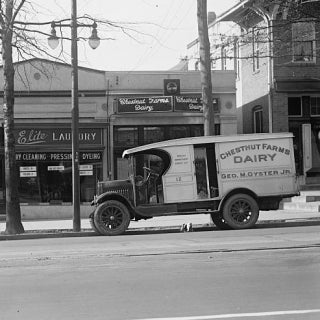
In 1939, DC launched a major criminal investigation into a bootlegging ring, allegedly trafficking thousands of gallons of contraband into the federal district. There was bribery, wiretapping, alleged attempts on detectives' lives, and even a scheme involving racing pigeons. The contraband? Cream.
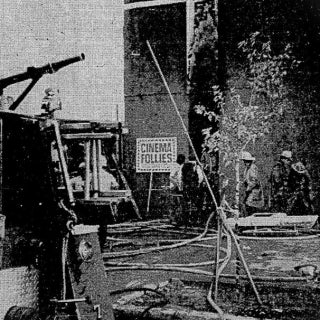
In the fall of 1977, a fire broke out at the Cinema Follies film club in Southeast Washington. The men upstairs found their only escape padlocked shut. The disaster forced Washington to confront the risks its gay community faced, and who that community really was.
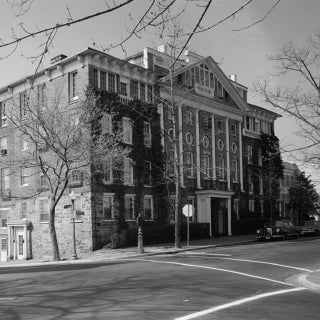
Explore the remarkable, haunted history of one of Georgetown’s most mysterious mansions, Halcyon House. Albert Clemons believed he could cheat death by never finishing his house. For nearly four decades, the eccentric antique collector filled the Georgetown home with staircases to nowhere, doors opening onto blank walls, and a hidden two-story theater, which archaeological evidence now suggests may have hosted a queer theater scene in early 20th-century D.C. Today, visitors still report strange lights and ghostly figures, and past residents swore they heard odd noises in the false passageways.
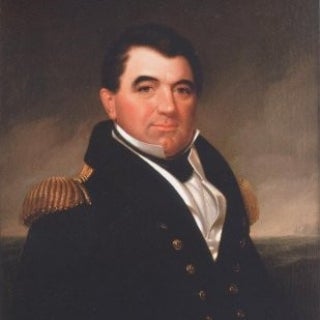
You may know that Farragut Square is named for our first Navy Admiral: but have you heard of his father? George Farragut left a merchant's career in Spain to dedicate his life to the American experiment as a sailor, cavalryman, artilleryman, and civil servant. But his dogged service in the Revolutionary War has become a historical footnote in the life of his more famous son.
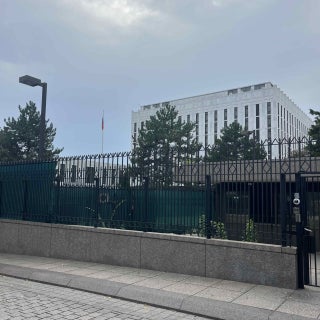
Washington, D.C., has a long history of espionage activity, especially during the Cold War as U.S. and Soviet agents shadowed each other throughout the city’s streets, parks, and alleyways. But, in a plotline not even James Bond author Ian Fleming could have cooked up, one of the most audacious and ill-fated attempts at spying in D.C. took place almost entirely underground.
Over the next several weeks, we’ll be rolling out a video series called “D.C. History in Color,” on the WETAPBS YouTube channel. This project uses AI to restore and colorize black and white footage from the Universal Newsreels collection at the National Archives. True to the local history mission of Boundary Stones, the stories we’ve selected are focused on life in the Washington, D.C. area.
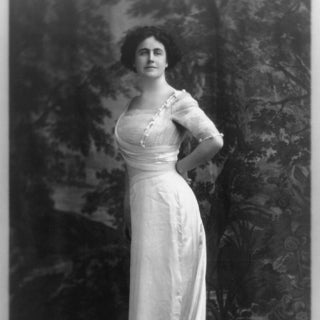
Woodrow Wilson's 1919 stroke had a devastating effect on his ability to serve as president. His wife, Edith, stepped up as nurse and politician, making her arguably America's first female president.
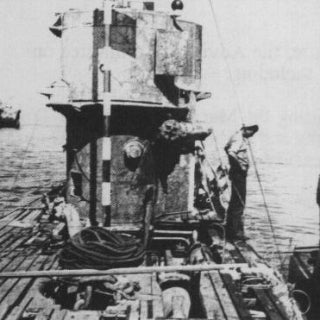
Just 80 miles south of Washington, D.C., in the brackish waters of the Potomac River, sits one of the most peculiar shipwrecks of World War II. Resting on the river bottom about a mile offshore from Piney Point, Maryland, partially obscured by silt, is the U-1105, a one-of-its-kind German U-boat known in its day as “Black Panther” that stalked Allied ships in the final days of the war.
During the Revolutionary War, General Lafayette fell in love with America. He returned in 1824 at the invitation of Congress to do a victory tour of the nation he helped to free. Though he visited every state in the union, the people of Washington, D.C. were determined that his time in their city be extra special.
As a closeted lesbian in the 1960s, emotions of isolation, grief, and depression nearly drove Lilli Vincenz to suicide in her early twenties. But after being outed by a roommate and joining a gay rights organization, Vincenz worked tirelessly to prevent other gay, bisexual, and questioning women from feeling the same shame and loneliness. Key to her efforts (and beloved by its attendees) was the Gay Women's Open House, which operated out of her home for nearly a decade. This safe, nonjudgemental space to gather, converse, and laugh could be life-changing for its attendees.
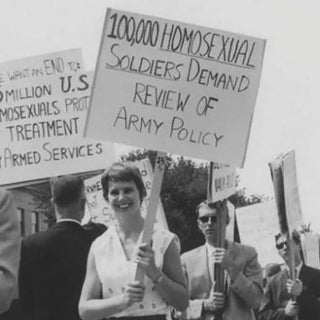
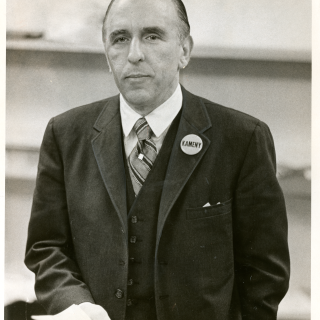
The “Lavender Scare” forced thousands of gay and lesbian federal employees from their jobs in the late 1940s through the 1960s. But in Washington, the Mattachine Society fought back.
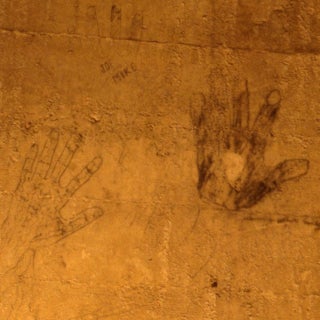
Beneath the Lincoln Memorial's gleaming marble columns lies a vast hidden basement — complete with century-old worker graffiti, naturally formed stalactites, and a tiny ecosystem that thrived undisturbed in the dark for decades.