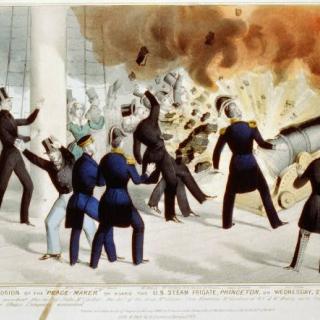
The USS Princeton was a new naval ship designed to show the power of young America's navy. All of Washington's high society was on board one February day to witness this marvel of modern engineering. Instead, a tragic disaster left six people dead, including two cabinet secretaries, and may have altered the course of American history.
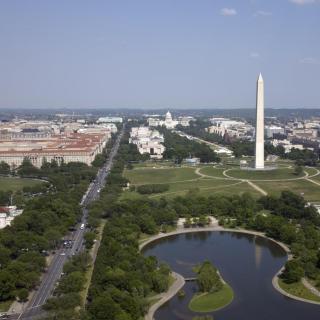
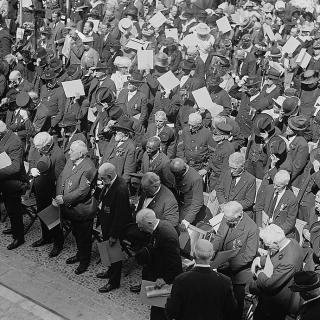
To the average visitor, the Lincoln Memorial appears to be a timeless part of the National Mall. However, this classical commemoration to the sixteenth president was dedicated less than one hundred years ago, in the presence of Civil War veterans, Robert Todd Lincoln, two Presidents and a crowd of thousands.
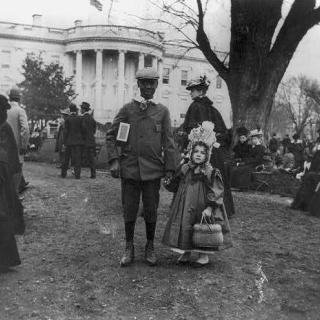
Nearly every year since 1878, children and their parents have flocked to the White House grounds on the Monday after Easter to roll eggs at the annual White House Easter Egg Roll. In the era of Jim Crow, it was one of the few social events where people from all races, and classes could mingle. But how did the tradition get started?
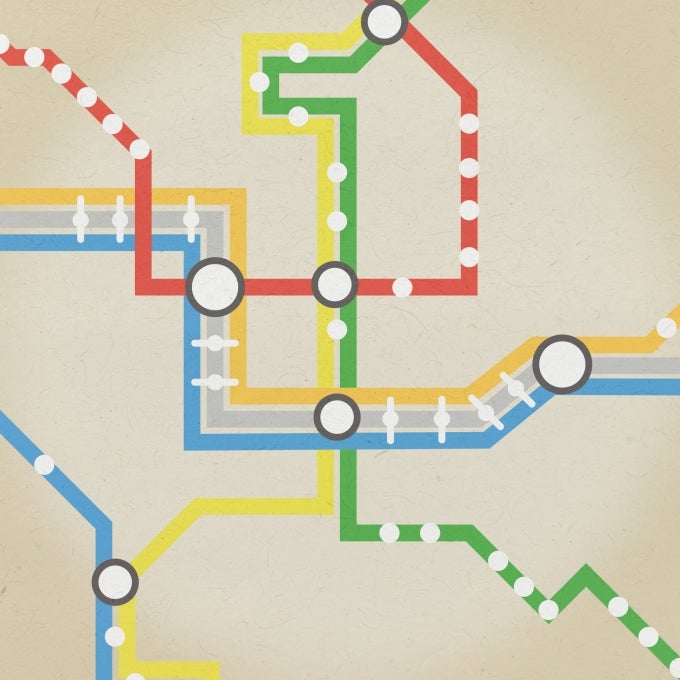
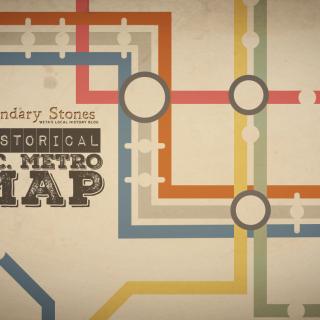
The first five Metrorail stations opened March 27, 1976, so that means today is Metro’s birthday! We thought we'd celebrate the occasion with a new Metro-inspired interactive here on the blog. In our Historical D.C. Metro Map, we’ve re-named all the stations in the system according to historical events and sometimes quirky stories from the surrounding neighborhoods. America's Toilet, Dead Man's Hollow, Xenu's Landing... What's your stop?
When President John F. Kennedy addressed the nation on October 22, 1962, informing American citizens of Soviet missile sites in Cuba, he didn’t know that the months-long scare he referred to would be over just six days later. Four days after JFK’s speech, two men sat down to lunch at the Occidental Restaurant located two blocks from the White House. One ordered a pork chop and the other crab cakes. Despite how it may seem, this was no ordinary lunch. In fact, it is considered to have played a major role in ending the Cuban Missile Crisis.
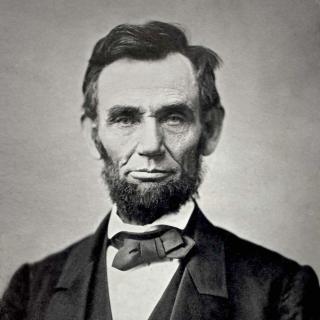
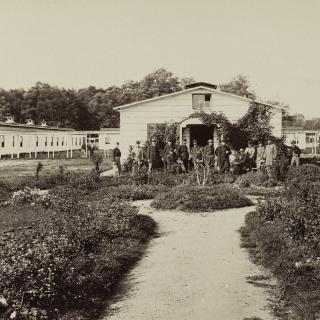
The story is well known: on April 14, 1865, actor John Wilkes Booth assassinated President Abraham Lincoln at Ford’s Theater. Lincoln died the next morning in a boarding house across from the theater. Booth escaped – temporarily -- but was shot 12 days later in Virginia.
What is lesser known is that Booth did not always plan on killing Lincoln. In fact, the actor’s original plan was not to strike a fatal blow. He wanted to abduct Lincoln, take him to Richmond and exchange him for Confederate soldiers then held in Union prisons.
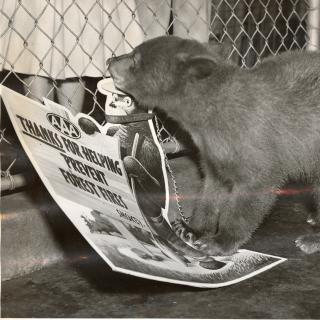
Smokey the Bear has been around for as long as most of us can remember, reminding us to follow safe fire practices in the backcountry. However, Smokey’s message – and even the bear himself – didn’t have much to do with campfires at first. His story actually dates to World War II and has a definite Washington flavor to it.
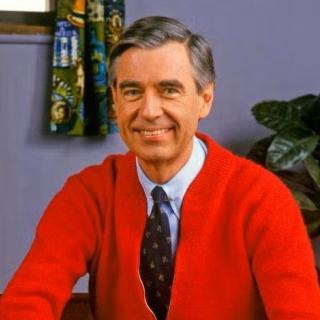
Fred Rogers, creator and host of the longtime children's television landmark Mister Rogers' Neighborhood, is most closely associated with Pittsburgh, where he produced his program at local PBS station WQED. He made two very significant visits to Washington, D.C., however, one near the beginning of his career, and the second towards the end of his life.
Eastern Market has been a place of social gathering in Capitol Hill since its construction in 1873. Despite many efforts to shutter the market and a devastating fire in 2007, the market endures as a Southeast institution.
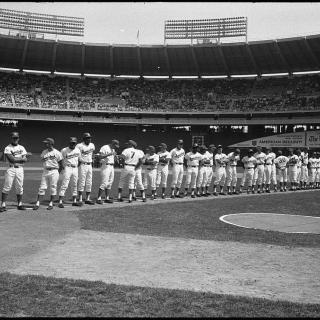
It's pretty common for historical societies or universities to sponsor history conferences. They generally have budgets (albeit small ones) and staffs to put on events. But, the annual D.C. Baseball History Meeting is something different. Each February, almost all by himself, Mark Hornbaker creates a unique event for local baseball history enthusiasts.
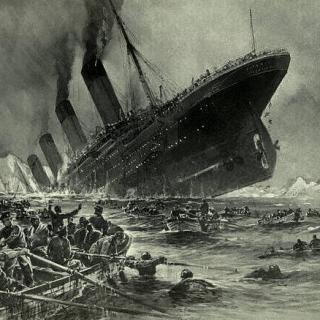
The Butt-Millet Memorial Fountain honors Major Archibald Butt and artist Francis Millet, two men who died together on the ship of dreams. Close friends and housemates in Washington, D.C., these men would be mourned by most of Washington, including President William Howard Taft.
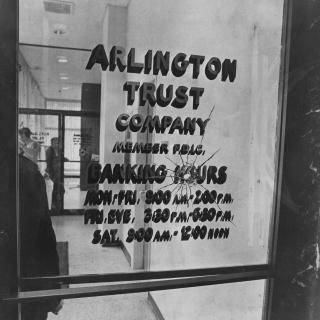
At 10:30 a.m. on October 25, 1972, two workers stepped out of a C&P Telephone van and into the Crystal City branch of the Arlington Trust Company. The bank’s phones had been down for nearly half an hour and manager Henry “Bud” Candee was eager to resume normal business. He met the repairmen in the lobby and led them to a service panel at the back of the bank. Unbeknownst to Candee, the technicians were frauds. They stole the uniforms and the van and caused the phone outage by climbing down a nearby manhole and severing the bank’s phone lines. But what was meant to be a relatively simple robbery, turned out to be the first act in one of the most dramatic — and bizarre — crime sprees in U.S. history.


![Sketch of the mythical fuan by Pearson Scott Foresman. [Source: Wikipedia]](/sites/default/files/styles/crop_320x320/public/2023-10/Goatman_Wikipedia_Faun_2_%28PSF%29.png?h=64a074ff&itok=C9Qh-PE1)


![Ben's Chili Bowl, 1980 (Photo Source: Library of Congress) Highsmith, Carol M, photographer. Ben's Chili Bowl, Washington, D.C. United States Washington D.C, None. [Between 1980 and 2006] Photograph. Retrieved from the Library of Congress, https://www.loc.gov/item/2011635251/. (Accessed December 04, 2017.)](/sites/default/files/styles/crop_320x320/public/17058v.jpg?itok=egZM-IR9 "Ben's Chili Bowl, 1980 (Photo Source: Library of Congress) Highsmith, Carol M, photographer. Ben's Chili Bowl, Washington, D.C. United States Washington D.C, None. [Between 1980 and 2006] Photograph. Retrieved from the Library of Congress, https://www.loc.gov/item/2011635251/. (Accessed December 04, 2017.)")