It's been over 50 years since the release of the Beatles' groundbreaking Sgt. Pepper's Lonely Hearts Club Band, lauded as the first "concept" album and perennially on critics' lists of the best of all time. There has also been a good deal of recent reflection on the Watergate scandal and the role of Washington Post journalists Carl Bernstein and Bob Woodward, who broke the story that brought down an American president in 1974. But did you know there is a local connection between these seemingly disparate yet historically-significant events?
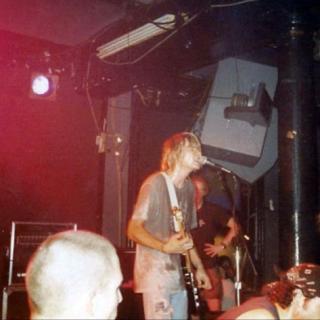
Nirvana's frenetic and sweaty performance at the 9:30 Club in Washington D.C. on Oct. 2, 1991 occurred just a few weeks before they exploded into megastardom.
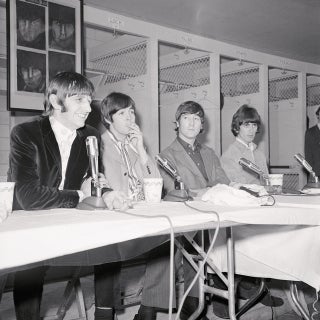
Although their first appearance in Washington D.C. was certainly more historic, the Beatles' last visit was nothing if not eventful, and verged on the downright bizarre. In stark contrast to that triumphant first U.S. concert at Washington Coliseum in February 1964, by August 1966 the Beatles were mired in controversy, struggling to sell out concerts, and creating music too complex to be replicated on stage.
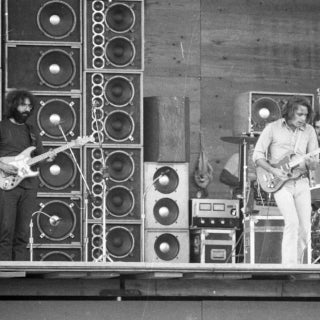
Back in the summer of 1973, long before bumper stickers with the iconic skeleton-and-roses logo were a familiar sight on camper vans, the Grateful Dead teamed up with another legendary rock band, the Allman Brothers, to play a pair of concerts at RFK Stadium that were the first multi-day rock extravaganza in the District's history. The shows drew 80,000 people to witness a rare pairing of southern blues-rock and San Francisco psychedelia. As Rolling Stone reviewer Gordon Fletcher noted: "Every rock & roller on the East Coast worth his or her faded jeans...showed up." It was a show that paved the way for scores of other big stadium concerts and events such as the HFStivals of the 1990s and early 2000s.
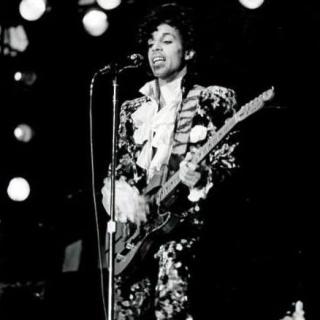
Did you know that Washington, D.C. played host to one of Prince's most unique and inspiring performances? At the very pinnacle of his fame during the massively popular "Purple Rain" tour in 1984, Prince stopped to play a free concert for 1,900 students at Gallaudet University — the world-renowned school for the deaf — and 600 special needs students from D.C.-area schools.
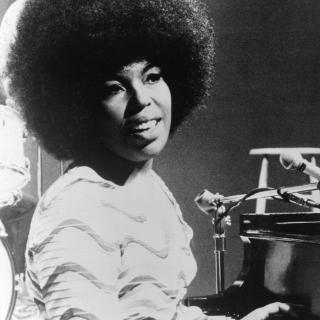
Before she topped the charts and won Grammys, Roberta Flack was a humble music teacher from Arlington, Virginia with a velvet voice and fierce perfectionism. Discover how Capitol Hill nightclub Mr. Henry’s became the launchpad for her legendary career.
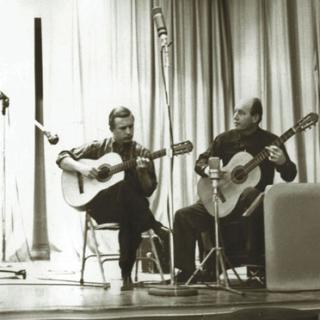
Before Brazil’s bossa nova swept the globe, its breakout moment happened in a DC church basement. Discover how a chance meeting, a cultural exchange tour, and a three-hour recording session turned Jazz Samba into a Grammy-winning sensation—and made Washington, not Rio, the unlikely launchpad of a musical revolution.
There was a period, from the late 1940s until the early 1960s, when Washington, D.C. was a veritable Nashville on the Potomac, a mecca that provided country performers a chance to get their records played, and to perform before big audiences. The man who was most responsible for the District's country preeminence was a charismatic impresario who originally hailed from Lizard Lick, N.C. named Connie Barriot Gay.
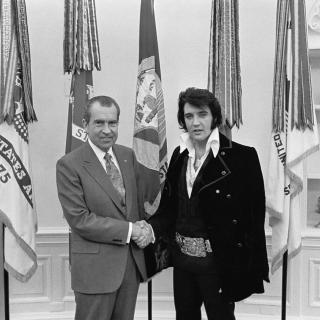
Elvis Presley made headlines when he showed up at the White House unannounced and offered his services to President Nixon to fight the war on drugs in 1970. It was an odd event, which led to an even odder photo. But the Elvis-Nixon meeting was memorable for another reason: It was one of only four public appearances that Elvis made in the Washington, D.C. area.
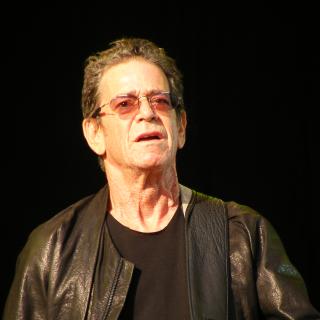
Velvet Underground singer and guitarist Lou Reed is best known as a lyrical chronicler of New York City's debached avant garde subculture of the 1960s. But Reed also could claim an intriguing distinction in the musical history of the nation's capital. The Rock and Roll Hall of Fame inductee once was called upon to provide musical entertainment at the White House, at the request of a visiting foreign head of state.


![Sketch of the mythical fuan by Pearson Scott Foresman. [Source: Wikipedia]](/sites/default/files/styles/crop_320x320/public/2023-10/Goatman_Wikipedia_Faun_2_%28PSF%29.png?h=64a074ff&itok=C9Qh-PE1)