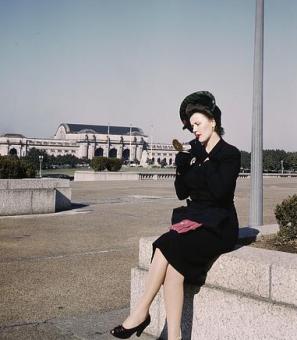
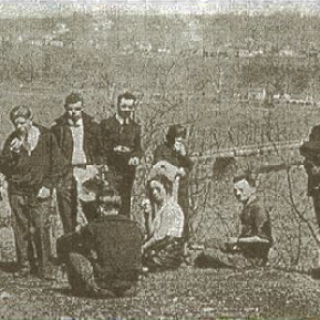
It’s a casual Sunday in April 1934 and you’re looking for something to do. How about a hike in the great outdoors? Lucky for you, there’s a new hiking club in town — the Wanderbirds — and they are preparing for their very first hike!
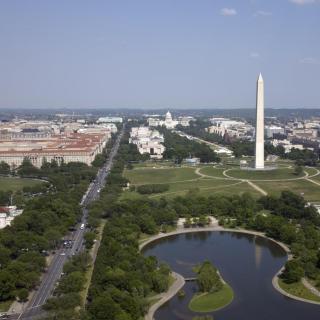
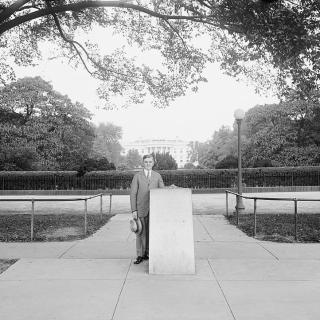
No doubt you are familiar with D.C.’s most prominent tributes to history -- the Washington Monument, the Lincoln Memorial, possibly even that unique sculpture of Einstein lounging on Constitution Avenue. But have you ever heard of the Zero Milestone?
In the 1850s, Georgetown’s Fourth of July celebration was a neighborhood pageant of marching Sunday schools, bands, banners, barrels of lemonade, and speeches at Parrott’s Woods, now the site of Oak Hill Cemetery.
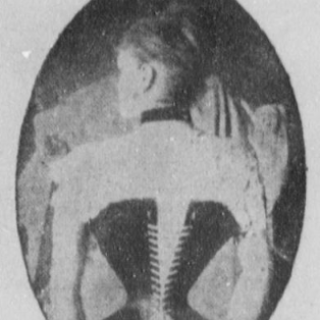
Women’s fashion is a complicated subject, but one doesn’t usually think of it as deadly. However, the fatal dance between health and beauty was a reality for Washington women wearing corsets in the 19th century.
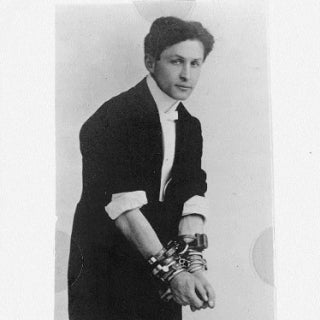
Even Washington D.C. couldn’t hold Harry Houdini, the original handcuff king. On New Years Day in 1906, the infamous Houdini broke out of what was said to be the strongest and toughest jail in the city.
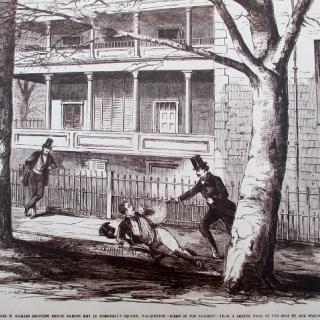
Washington, D.C., has had its fair share of scandals, political pandemonium, and secret trysts over the years. But it’s not every day that a Congressman commits cold-blooded murder in broad daylight on a city street.
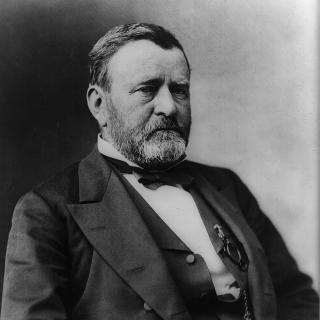
Understanding the history of local government in the District of Columbia is tricky business. The governance structure has changed several times since the city was founded in 1791 and, sometimes, these changes were quite dramatic... which brings us to the 1870s.
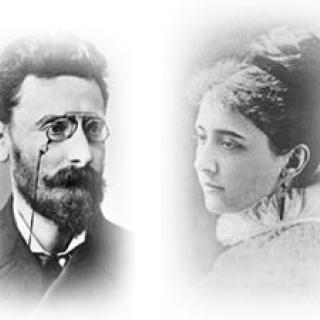
Here’s a fun piece of trivia: America’s most famous newspaper publisher, Joseph Pulitzer, than man who is often credited for rise of modern journalism, was married here in Washington on June 19, 1878.
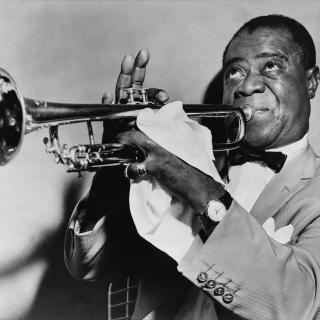
On July 23, 1942, Washingtonians packed Griffith Stadium to the gills for a special “Battle of Music” between African American jazz legend Louis Armstrong and white saxophonist Charlie Barnet. In segregated Washington of the 1940s, such an organized interracial competition was a big event and few people — especially in the black community that surrounded the stadium — wanted to miss the “musical fisticuffs.”
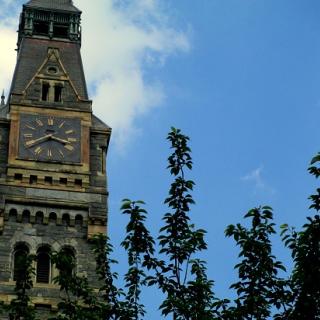
For decades Georgetown University students have plotted daring night raids on Healy Hall, removing the clock’s hands as a prank that spawned nicknamed crews, secret hideouts, and tall tales. Administration fines and alarms haven’t stopped the tradition. Every few years, it seems, the clock goes quiet and a new heist becomes campus legend.
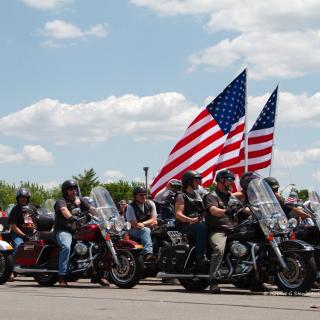
You can hear the rumble from miles away, a deep roar of engines joined together for a cause. This Memorial Day weekend, thousands of motorcyclists will ride in unison across Memorial Bridge, a moving force of memory and action for POW's and soldiers listed as Missing in Action. Rolling Thunder, as the demonstration is called, has been a Washington Memorial Day tradition since 1988. But do you know the history behind it?
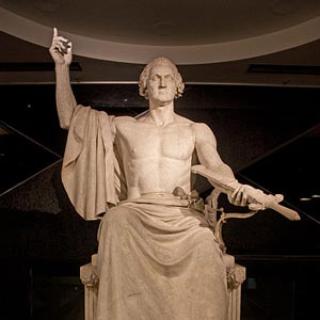
The nation’s capital is chock full of statues, memorials, monuments, historic markers, and museums. Some are world-famous, some have been controversial, and some have been forgotten altogether. Horatio Greenough’s sculpture of George Washington has been all of these things – and more.


![Sketch of the mythical fuan by Pearson Scott Foresman. [Source: Wikipedia]](/sites/default/files/styles/crop_320x320/public/2023-10/Goatman_Wikipedia_Faun_2_%28PSF%29.png?h=64a074ff&itok=C9Qh-PE1)

![Ben's Chili Bowl, 1980 (Photo Source: Library of Congress) Highsmith, Carol M, photographer. Ben's Chili Bowl, Washington, D.C. United States Washington D.C, None. [Between 1980 and 2006] Photograph. Retrieved from the Library of Congress, https://www.loc.gov/item/2011635251/. (Accessed December 04, 2017.)](/sites/default/files/styles/crop_320x320/public/17058v.jpg?itok=egZM-IR9 "Ben's Chili Bowl, 1980 (Photo Source: Library of Congress) Highsmith, Carol M, photographer. Ben's Chili Bowl, Washington, D.C. United States Washington D.C, None. [Between 1980 and 2006] Photograph. Retrieved from the Library of Congress, https://www.loc.gov/item/2011635251/. (Accessed December 04, 2017.)")