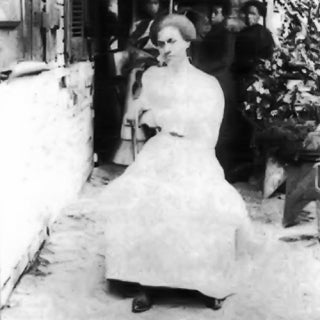
Though Rosa Parks may be the face of peaceful resistance to segregation on public transportation, she was not the first to adopt the strategy. Claudette Colvin, Ellen Harris, Maggie Lena Walker, Ida B. Wells, and Charlotte Brown are just some of the individuals who took a stand against racist policies enacted after the Civil War. In Washington, D.C., one of these civil rights activists whose name has been almost forgotten was Barbara Pope. In 1906, she claimed her right to remain in the first-class seat which she had paid for, rather than be moved to the segregated car.
Washington, DC, has a rich baseball history stretching back over 160 years. But long before the Nationals and Senators of Major League Baseball and the Negro leagues’ Homestead Grays won over legions of fans, famed abolitionist Frederick Douglass’s son Charles paved the way for black ballplayers in the District.
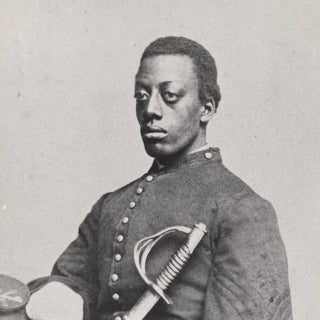
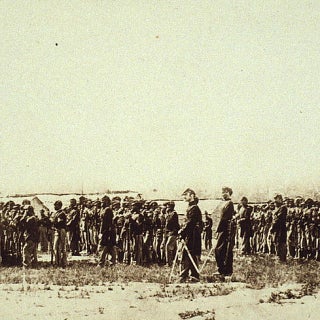
While it’s known today for its forested hiking trails and outdoor memorial to America’s 26th president, Theodore Roosevelt Island played a prominent role in Washington, DC’s Civil War history. In 1863, the island became home to Camp Greene, training grounds of the 1st United States Colored Troops (USCT), a Black infantry regiment recruited in the District.
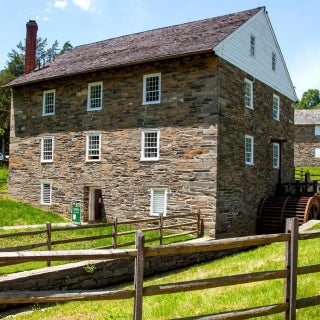
In the 1920s, entrepreneur Hattie Sewell looked to put her extensive experience in the hospitality industry to work turning around the Peirce Mill Teahouse in Rock Creek Park. But as a Black businesswoman in the 1920s, Sewell faced harsh blow back, even as her business thrived.
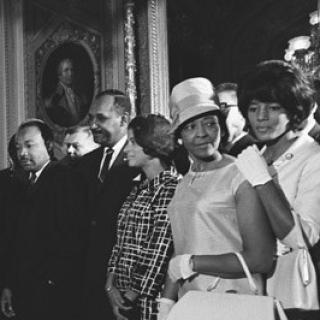
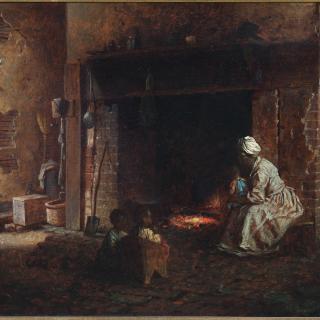
President Lyndon B. Johnson had a secret weapon that he kept in his kitchen for more than 20 years: Chef Zephyr Wright. Famous at the time for her Southern cooking and later for her impact on the Civil Rights Movement, Zephyr Wright quietly held sway over one of the most powerful men in the world.
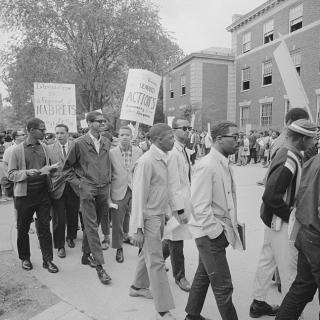
On March 22, 1968, Adrienne Manns, senior editor of Howard University’s official student newspaper, The Hilltop, summed up the lively scene on campus in a bold editorial: “If this is not revolution, then what is?”
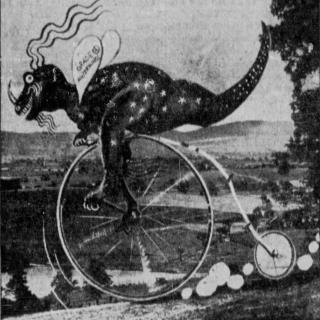
Legend tells of a beast that flies over Middletown, Maryland looking for prey to drag back to its lair on Catoctin Mountain. The creature, a half-bird half-reptile, had “huge wings, a long pointed tail, occasionally a horn, one eye in the middle of its forehead and, strangest of all, octopuslike tentacles that trailed behind it like streamers and retracted like a cat’s claws.” It came to be known as the Snallygaster and supposedly, it had a taste for human flesh…and a particular group of people above all others.
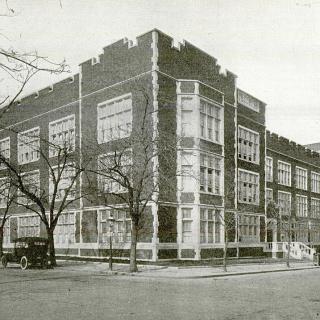
Northwest D.C.'s Dunbar High School transcended humble beginnings in the basement of a church to become, as W.E.B. DuBois' The Crisis put it, the "greatest negro high school in the world." Its commitment to black academic excellence made it the alma mater of many prominent African Americans.
Hercules Posey is considered one of America's first celebrity chefs. He was enslaved to George Washington during his presidency but ultimately able to make his escape. The details of his story haven't always been so clear though.
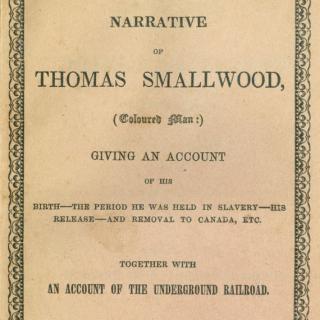
As a former enslaved person, Thomas Smallwood knew what it was like to live as someone else's property. That inspired him to spend most of his life freeing hundreds of people from slavery — and mocking their former owners while he was at it.


![Sketch of the mythical fuan by Pearson Scott Foresman. [Source: Wikipedia]](/sites/default/files/styles/crop_320x320/public/2023-10/Goatman_Wikipedia_Faun_2_%28PSF%29.png?h=64a074ff&itok=C9Qh-PE1)