On the night of February 24, 1867 in the nation’s capital, Scarlet Crow, a visiting Sioux chief, mysteriously disappeared. No one knows for sure what happened. Sisseton-Wahpeton Oyate oral history proposed that he was kidnapped, while the Evening Star newspaper put forth that he had simply wandered and gotten lost. What is indisputable, however, is that after that night, Scarlet Crow was never seen alive again.
When anti-discrimination legislation was delayed for four years, activists occupied Federal buildings in protest, placing Washington at the heart of the rising disability rights movement.
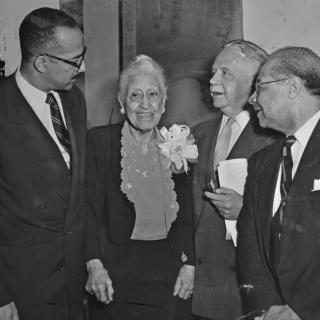
In 1933, a cryptic will transformed Minnie Keyes from a modest homeowner into the landlord of dozens of dilapidated properties across Washington, D.C. What followed was a decades-long battle between Keyes and the federal government over slum clearance, public housing, and racial displacement. Was she a defender of community stability—or a profiteer clinging to crumbling homes?
In 1910 Maryland Democrats planned to bar all African Americans from voting, forever. But Black men and women were ready to fight for their place in the state.
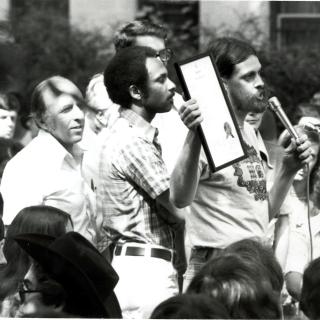
In 1971 Washington’s leading LGBT activist became the first openly gay man to run for Congress. In just a two month campaign, Frank Kameny put gay rights on D.C.'s political agenda- and made them stick.
In 1949, a shocking mid-air crash near National Airport killed more people than any previous air disaster in U.S. history. It did not take long for investigators to place the blame on one unlucky pilot. But was Capt. Erick Rios Bridoux really at fault?
In 1993, Disney announced its decision to develop a new theme park in Prince William County. Their plans sparked serious controversy, leading Disney officials to question whether the dreams that you wish really do come true...
In 1936, D.C. officials hired Carrie Weaver Smith to reform the National Training School for Girls. 18 months later, they fired her. But Smith was not going away without a fight.
Before 1885, We’wha had never seen a city, and the city of Washington, D.C. had never seen a person quite like We’wha. Alongside being a pottery maker and cultural ambassador, We’wha was a lhamana, who in the Zuni tradition are male-bodied people who also possess female attributes. Existing outside of the Western gender binary, lhamana have always inhabited a special role in Zuni society, as intermediaries between men and women, who perform special cultural and spiritual duties. More recent scholarship coined the term Two Spirit "as a means of unifying various gender identities and expressions of Native American / First Nations / Indigenous individuals."