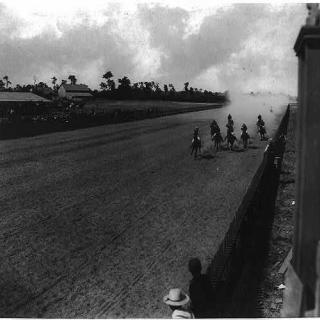
In the 19th century, the North and South waged an important battle. No, not the Civil War- horse racing! Before the war between the states with military and espionage there was a stirring contest fought with the finest horses that either side could breed, and the first battle took place right in the heart of Washington D.C., at the National Course somewhere around 14th Street, north of Euclid Street and south of Columbia Heights.
In the early 1990s, homeowner Stephanie Slewka made a fascinating discovery on the second floor of her 19th century townhouse at 415 M Street, NW: a mural concealed beneath layers of paint and wallpaper. As if peeling back layers of time, she found one of the only remaining traces of Shomrei Shabbos, a small orthodox community in downtown Washington that worshiped in the townhouse. Decades later, that same mural is in danger.
Between 1830 and the 1970s, clerks in Washington sorted thousands of undeliverable letters a day, reuniting lost messages, uncovering bizarre packages, and sometimes finding stories more haunting than the mail itself.
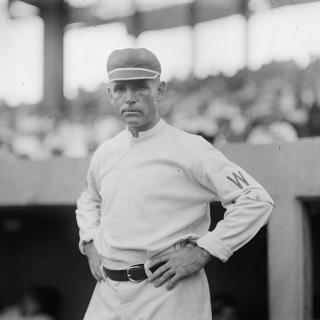
Spending a Sunday afternoon at the ol’ ballpark is pretty commonplace nowadays. But 100 years ago? Notsomuch. In the early 1900s, debate raged about whether it was appropriate – or, for that matter, legal – for ballclubs to suit up on Sundays. Blue laws in many states put severe restrictions on what could and could not be done/consumed/enjoyed/observed on the traditional day of rest.
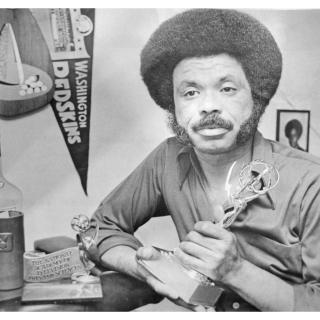
“God gave me a talent, and that talent was verbal skills." Critically acclaimed as America’s first “shock jock,” Petey Greene had the mouth and charisma to roar in the ears of people in the streets of Washington, D.C. His impact was no more apparent than in April of 1968 during the aftermath of Dr. Martin Luther King’s assassination.
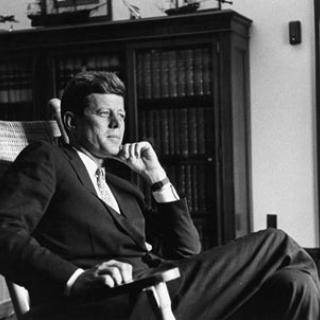
John F. Kennedy quietly championed a tense Cold War thriller about a military coup, using his influence to push Hollywood into making Seven Days in May—only to be assassinated before the film's chilling warning reached audiences.
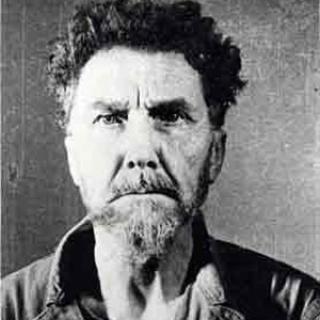
Ezra Pound was an acclaimed writer who was a central figure in the modernist movement, editing T.S. Eliot’s landmark poem The Waste Land and helping to get other modern writers published, including Ernest Hemingway and James Joyce. When Pound lived in D.C. for twelve years after World War II, you might assume that he called a literary haven or Capitol Hill row house home, but that is far from the case.
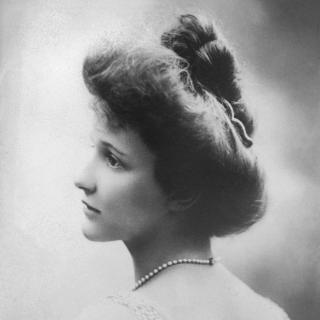
April 1922 was a busy time for Washington socialites and the newspapers that followed them, as the city hosted no less than five national and international women’s groups in the span of a few short weeks. DC had long been a party town (pun intended) but these gatherings provide a glimpse of the changing dynamics of womens’ political involvement during the 1920s, immediately following the passage of the nineteenth amendment.
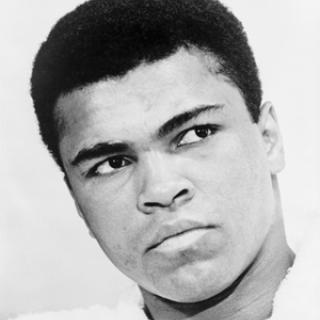
At Howard University in 1967, Muhammad Ali delivered a defiant, electrifying speech — melding sharp critique of the Vietnam War, a fierce defense of his refusal to be drafted, and an unapologetic call for Black pride that echoed across the nation.
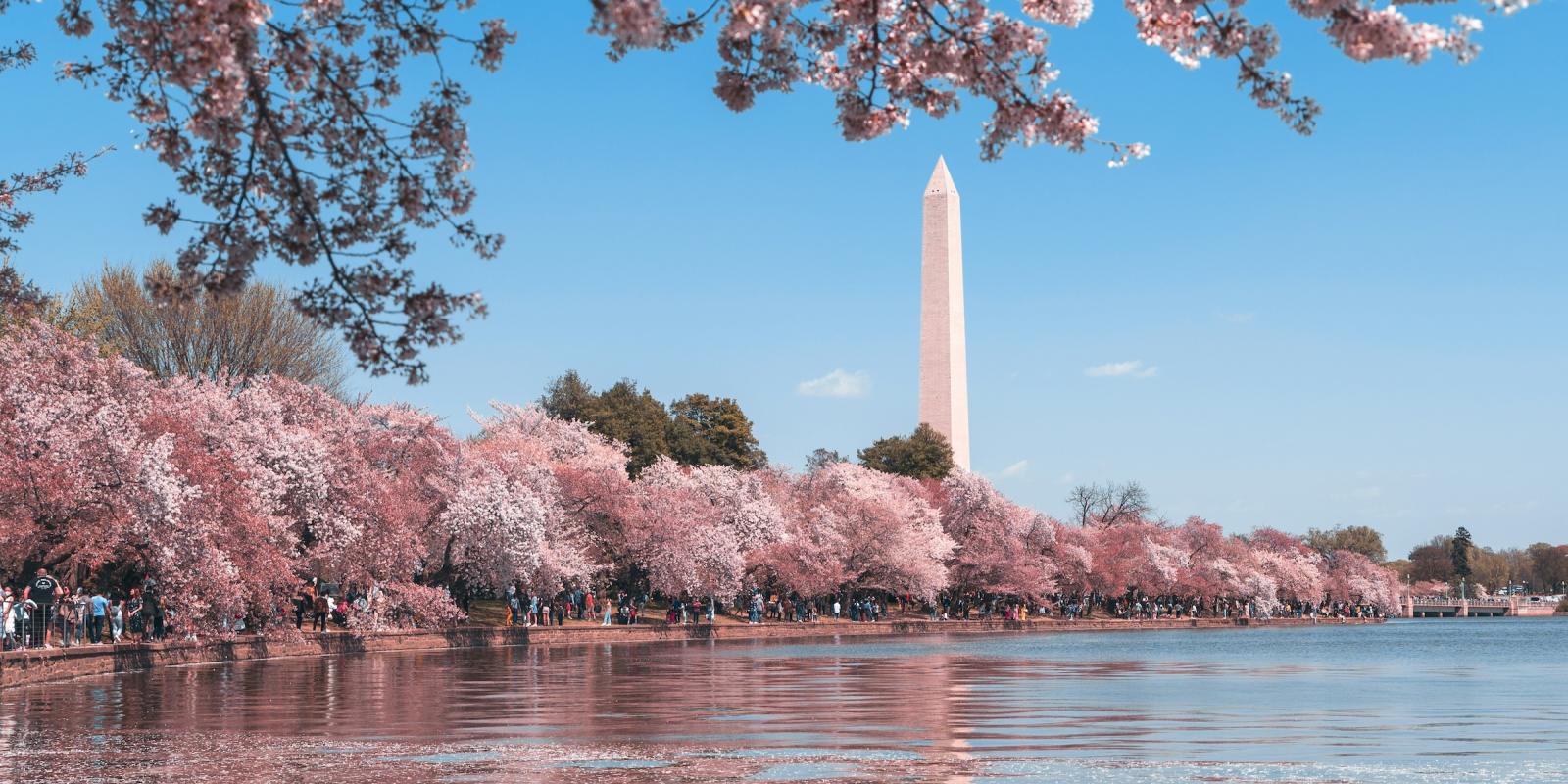
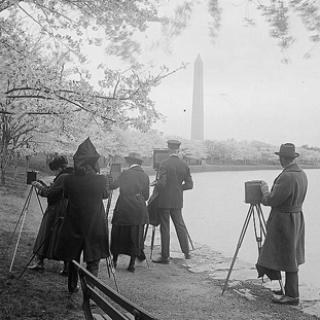
Tourists often try to time their visits to Washington to coincide with the annual blooming of its famous cherry blossom trees along the Tidal Basin in April, and inevitably, someone tells them that the trees originally came from Japan as a gesture of international friendship. But the complete story is a bit more complicated, and includes plenty of odd twists and turns.
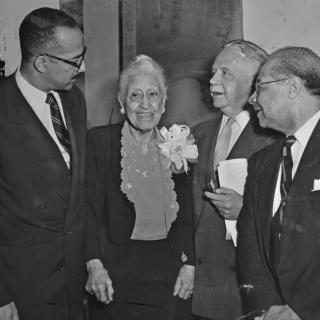
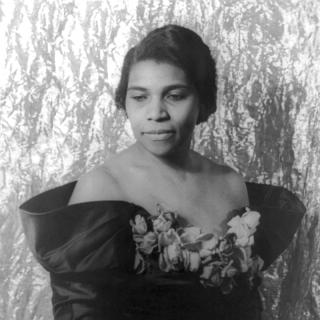
Years after Marian Anderson was famously barred from performing at D.A.R. Constitution Hall because of her race, she gave a concert at the venue. It was an overdue coda to a painful chapter in America’s cultural history.
During World War II, the job market in D.C. exploded; between 1940 and 1945, the number of civilians employed by the government almost quadrupled. The Defense Housing Registry, created by the DC government to help these new employees find housing, processed around 10,000 newcomers every month. The result? A housing crunch.


![Sketch of the mythical fuan by Pearson Scott Foresman. [Source: Wikipedia]](/sites/default/files/styles/crop_320x320/public/2023-10/Goatman_Wikipedia_Faun_2_%28PSF%29.png?h=64a074ff&itok=C9Qh-PE1)


![Ben's Chili Bowl, 1980 (Photo Source: Library of Congress) Highsmith, Carol M, photographer. Ben's Chili Bowl, Washington, D.C. United States Washington D.C, None. [Between 1980 and 2006] Photograph. Retrieved from the Library of Congress, https://www.loc.gov/item/2011635251/. (Accessed December 04, 2017.)](/sites/default/files/styles/crop_320x320/public/17058v.jpg?itok=egZM-IR9 "Ben's Chili Bowl, 1980 (Photo Source: Library of Congress) Highsmith, Carol M, photographer. Ben's Chili Bowl, Washington, D.C. United States Washington D.C, None. [Between 1980 and 2006] Photograph. Retrieved from the Library of Congress, https://www.loc.gov/item/2011635251/. (Accessed December 04, 2017.)")